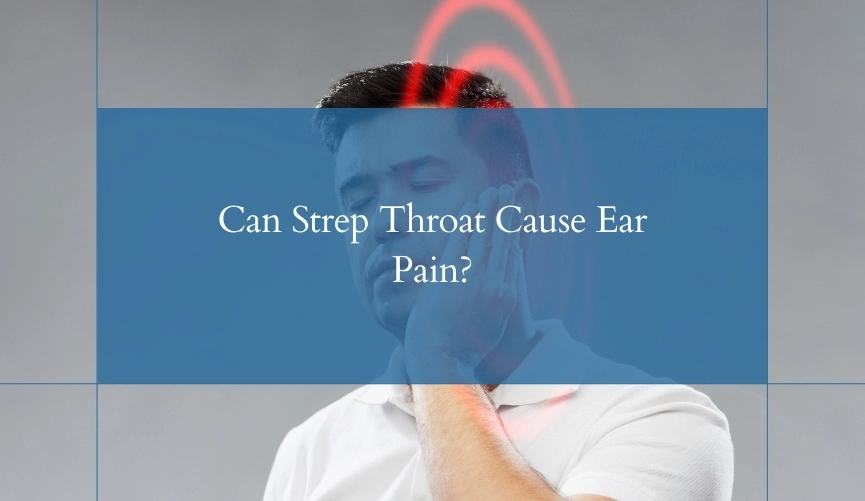
You wake up in the middle of the night, throat on fire, and now your ear is throbbing too. Sound familiar? You’re not imagining it. Thousands of people every year search the phrase can strep throat cause ear pain, and the answer is a resounding yes. These two painful conditions are more connected than most people realize, and understanding why can mean the difference between quick recovery and serious complications.
What Is Strep Throat?
Strep throat is a bacterial infection caused by a bacterium called Streptococcus pyogenes, commonly known as Group A Streptococcus. Unlike the viral sore throats that often accompany a cold or the flu, strep is caused specifically by bacteria and requires a different type of treatment.
It’s highly contagious and spreads through respiratory droplets, a cough, a sneeze, or even sharing a glass. Children in school settings are especially vulnerable, though adults are far from immune. In fact, strep throat can hit anyone at any age.
Classic Signs of Strep Throat
Knowing how to identify strep throat early is one of the most important steps you can take. Here’s what sets it apart from a run-of-the-mill sore throat:
- Sudden, severe sore throat (often with no warning)
- Fever of 101°F (38.3°C) or higher
- Swollen, tender lymph nodes in the neck
- Red, swollen tonsils, sometimes with white patches or streaks
- Pain when swallowing
- Notably absent: coughing and runny nose (key differences from viral illness)
The Throat–Ear Connection: Why Does It Happen?
Here’s where things get interesting and where most people find their “aha” moment. The reason strep throat can cause ear pain lies in a tiny but crucial channel in your head called the Eustachian tube.
The Eustachian tube connects the back of your throat to your middle ear. Its main job is to equalize pressure and drain fluid from the ear. Think of it like a drain pipe running between two rooms in a house. When everything’s working smoothly, you don’t even notice it. But when there’s a blockage or an infection, problems travel fast.
When strep bacteria infect the throat, they trigger intense inflammation in the tissues nearby. That inflammation can spread up into the Eustachian tube, blocking it, pressurizing the middle ear, and causing real, throbbing ear pain even without a separate ear infection being present.
Is Ear Pain a Symptom of Strep Throat?
Yes, and it’s more common than people expect. Ear pain, medically referred to as otalgia, can show up as both a direct and referred symptom of strep throat.
Referred pain means the pain originates in one location (the throat) but is felt somewhere else (the ear). This happens because the throat and the ear share overlapping nerve pathways. When those nerves fire signals from the inflamed
throat, the brain sometimes interprets the pain as coming from the ear, too.
Strep Throat vs. Ear Infection: How to Tell the Difference
One of the most common sources of confusion is knowing whether you’re dealing with an ear infection, strep throat symptoms, a standalone ear infection, or both at once. The distinction matters because while both may need treatment, the approach can differ.
| Feature | Strep Throat | Ear Infection | Both Together |
| Main Pain | Throat, tonsils | Ear pressure/ache | Throat + ear |
| Fever | High (101°F+) | Mild or none | High fever |
| Cause | Bacterial (strep) | Viral or bacterial | Bacterial spread |
| Cough | Absent | May be present | Usually absent |
| Hearing | Normal | Muffled/reduced | May be affected |
| Treatment | Antibiotics | Varies | Antibiotics |
Can Strep Throat Heal on Its Own?
The answer is: sometimes, in mild cases, strep may resolve on its own within 7–10 days. The immune system can fight off the infection without medication. However, this is where “technically possible” and “advisable” diverge significantly
Antibiotics, typically penicillin or amoxicillin, are prescribed not just to make you feel better faster (though they do that too, often within 24–48 hours), but to prevent these potentially serious complications. Completing the full course, even after you feel better, is critical.
Why Not Treating Strep Can Be Dangerous
- Rheumatic fever a serious inflammatory condition that can permanently damage heart valves
- Post-streptococcal glomerulonephritis kidney inflammation triggered by the immune response to untreated strep
- A peritonsillar abscess is a painful pocket of infection near the tonsils, requiring drainage
- The infection spreads to the ears, sinuses, or deeper neck tissues
- Increased contagiousness means you remain infectious to others for longer
When Should You See a Doctor?
Many people try to tough it out at home, hoping the pain will pass. But there are clear warning signs that mean it’s time to seek medical attention sooner rather than later.
If both throat and ear symptoms are present, one medical visit can address both. Your doctor can examine your ears with an otoscope, swab your throat for a rapid strep test, and create a treatment plan that targets everything at once.
See a Doctor If You Experience Any of These
- Fever above 101°F (38.3°C) lasting more than 2 days
- Severe ear pain, hearing loss, or a feeling of fluid in the ear
- Difficulty breathing or swallowing
- A skin rash developing alongside your sore throat (may indicate scarlet fever)
- Symptoms not improving after 48 hours of home care
- Stiff neck or severe headache alongside throat pain
- Symptoms in a child under 3 should always be seen by a doctor promptly
Home Remedies to Ease the Discomfort
While antibiotics treat the infection, home remedies can make the waiting period more bearable. These are comfort measures that ease symptoms without curing the underlying cause:
| Remedy | How It Helps |
| Warm salt water gargle | Reduces throat inflammation and kills surface bacteria |
| Warm compress on the ear | Eases ear pain and promotes drainage |
| Stay well hydrated | Keeps throat moist and supports immune function |
| OTC pain relievers (ibuprofen/acetaminophen) | Reduce fever, throat pain, and earache |
| Rest in a humidified room | Prevents the throat from drying out overnight |
| Honey in warm tea | Soothes throat lining, mild antibacterial properties |
Diagnosis and Treatment: What to Expect
Diagnosing strep is straightforward. A doctor or nurse will swab the back of your throat. A rapid strep test delivers results in about 10–15 minutes. If the result is positive, antibiotics are prescribed immediately. If negative but strep is still suspected, a throat culture may be sent to a lab for a more sensitive result (takes 24–48 hours).
The standard treatment is a 10-day course of antibiotics; penicillin or amoxicillin are the first-line choices. If you’re allergic to penicillin, alternatives like azithromycin may be used. Most people start feeling significantly better within 24–48 hours of beginning antibiotics, but completing the full course is essential. Stopping early is one of the most common mistakes patients make.
Prevention: Stop It Before It Starts
Strep spreads easily in households, classrooms, and workplaces. A few simple habits can go a long way toward protecting yourself and those around you:
- Wash your hands frequently with soap and water for at least 20 seconds
- Avoid sharing utensils, cups, or food with someone who is sick
- Stay home from work or school for at least 24 hours after starting antibiotics
- Replace your toothbrush after your infection clears
- Cover your mouth and nose when coughing or sneezing
- Boost immunity with adequate sleep, a balanced diet, and staying hydrated
Parents of school-age children should pay special attention during the winter and spring months peak strep season. If your child complains of a sore throat AND ear pain, get them tested promptly.
Bottom Line
Strep throat and ear pain are more connected than most people realize. That throbbing ear? It could very well be a sign of a strep infection spreading through the Eustachian tube. Early recognition, proper diagnosis, and timely treatment are key to avoiding complications like rheumatic fever or kidney inflammation.
Don’t ignore the warning signs: severe throat pain, high fever, or ear discomfort. While home remedies can ease symptoms, antibiotics remain essential for a full recovery. Practicing good hygiene, staying home when sick, and seeking medical care promptly can protect both you and your loved ones.
FAQs
Q1: Can strep throat cause ear pain in adults?
Ans: Yes, adults can experience ear pain from strep throat due to Eustachian tube connections and nerve sensitivity.
Q2: How long does ear pain from strep throat last?
Ans: With antibiotics, improvement usually occurs in 24–48 hours, and full relief typically comes within 3–5 days.
Q3: Can I have an ear infection and strep throat at the same time?
Ans: Yes, strep bacteria can spread to the middle ear, causing a concurrent ear infection. Both can be diagnosed and treated together.
Q4: Why do my ears hurt when I swallow?
Ans: Swallowing moves muscles around the inflamed Eustachian tube, sending pain signals to the ear. This is a key sign of strep involvement.
Q5: Should I go to urgent care for strep throat with ear pain?Ans: Yes, especially with severe symptoms or high fever; urgent care can test and treat the same day. Seek emergency care if very young or having breathing issues.