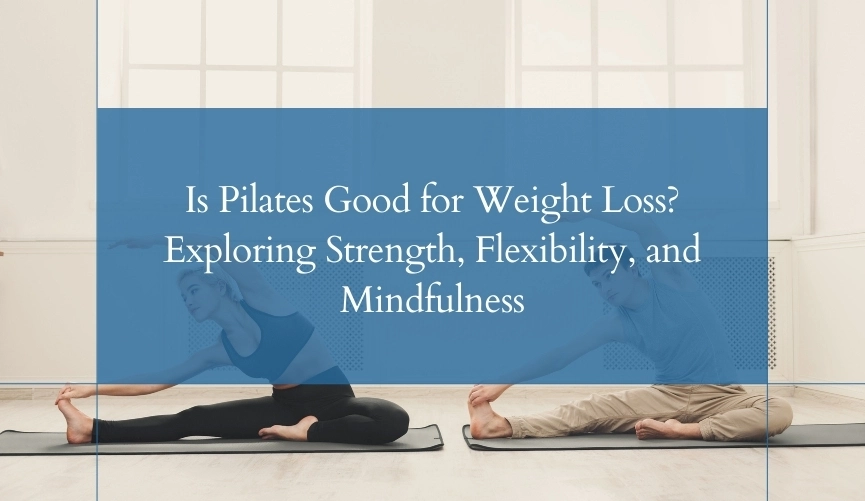
In a world that often prioritizes high-impact hustle over health, Pilates has emerged as a refreshing antidote, gaining massive popularity worldwide for its sustainable and intelligent approach to fitness.
More than just a series of stretches, Pilates is a full-body workout that focuses on controlled movements and breath to engage your deepest stabilizing muscles. It is the ultimate intersection of physical power and mental clarity.
Over the course of this article, we will break down the incredible scope of Pilates, including its potential for weight loss, its ability to build core strength without bulk, how it increases total body flexibility, and the unique way it fosters mindfulness to help you reconnect with your body.
What Is Pilates?
Pilates is a low-impact exercise system that focuses on strengthening the body, improving flexibility, and enhancing mind-body awareness. Unlike traditional workouts that primarily target large muscle groups, Pilates emphasizes controlled movements, posture alignment, and the engagement of deep core muscles.
Developed in the early 20th century, Pilates has grown from a rehabilitation-focused method to a globally recognized practice embraced by athletes, dancers, and fitness enthusiasts alike.
Joseph Pilates and the Origins
Created by Joseph Pilates, a German trainer, the method was originally called “Contrology.” He designed it to build core strength, improve posture, and promote body awareness.
How Pilates Works
- Mind-Body Connection: Pilates emphasizes focus and awareness, linking your thoughts with every movement for better control and results.
- Core Engagement & Posture: Most exercises target the core muscles, helping improve posture, stability, and overall strength.
- Controlled Movements: Movements are slow, deliberate, and precise, reducing the risk of injury and ensuring maximum effectiveness.
- Small Movements, Big Results: Even subtle, gentle exercises can strengthen muscles, enhance flexibility, and improve balance over time.
Types of Pilates to Try
Mat Pilates
- Uses only a mat and minimal equipment.
- Focuses on bodyweight exercises to strengthen the core, improve posture, and increase flexibility
- Portable and accessible, suitable for beginners or home workouts.
- Optional props like resistance bands, balls, or rings can add variety and challenge.
Reformer Pilates
- Uses a specialized machine with springs, pulleys, and adjustable resistance.
- Allows precise targeting of different muscle groups.
- Provides more intense workouts and faster strength gains compared to mat Pilates.
- Ideal for those looking for a controlled, full-body workout with support.
Clinical/Physical Therapy Pilates
- Designed for rehabilitation or injury recovery.
- Focuses on improving mobility, alignment, and functional movement.
- Exercises are customized to individual needs, often guided by a trained therapist.
- Helps prevent future injuries while strengthening weak or imbalanced areas.
Popular Variations
- Stott Pilates: Emphasizes modern principles of biomechanics and spinal alignment.
- Winsor Pilates: Focuses on weight loss, toning, and fitness results.
- Other variations exist, each with a unique style, intensity, and approach to core training.
Choosing the Right Type
- Consider your goals: flexibility, core strength, posture, rehabilitation, or overall fitness.
- Beginners often start with mat Pilates before advancing to reformer or specialized styles.
- Professional guidance can help select the variation that best matches your body and objectives.
How to Start Pilates
Finding a Class vs. Online Tutorials
- In-person classes offer expert guidance, corrections, and personalized adjustments.
- Online tutorials and apps provide flexibility and convenience for home practice.
- Beginners can combine both: start with a class, then follow online sessions for extra practice.
- Start with basic mat exercises like The Hundred, Roll-Up, and Leg Circles.
- Focus on core engagement, posture, and controlled movements.
- Gradually increase intensity as strength and confidence improve.
Beginner-Friendly Exercises
Essential Equipment for Home Practice
- Comfortable mat for floor exercises.
- Optional props: resistance bands, Pilates rings, small balls, or yoga blocks.
- Reformer machines are optional, mostly used in studios for advanced practice.
Tips for Consistency and Safety
- Practice 2–4 times a week for best results.
- Prioritize controlled movements over speed.
- Listen to your body, maintain proper breathing, and avoid overexertion.
Losing Weight with Pilates
Pilates can support weight loss by strengthening muscles and boosting metabolism. While it’s not as high-intensity as cardio, it helps tone the body, improve posture, and increase lean muscle, which contributes to burning more calories over time.
On average, a beginner Pilates session burns around 200–250 calories per hour, while advanced or reformer-based sessions can burn 300–400 calories per hour. The actual calorie burn depends on factors such as intensity, type of Pilates, body weight, and duration.
For maximum results, Pilates works best when combined with regular cardiovascular exercise and a balanced diet. This combination helps create a calorie deficit while building strength, flexibility, and overall body awareness, supporting sustainable fat loss.
Mat Pilates vs. Reformer Pilates for Weight Loss
| Feature | Beginner Pilates | Advanced / Reformer Pilates |
| Calories Burned (per hour) | 200–250 | 300–400 |
| Intensity | Low to moderate | Moderate to high |
| Focus | Core engagement, posture, and flexibility | Full-body strength, controlled resistance, and advanced movements |
| Equipment | Mat, optional props | Reformer machine, springs, and optional props |
| Benefits | Tones body, strengthens core, improves posture | Builds lean muscle, boosts metabolism, enhances calorie burn |
| Best For | Beginners, home practice, gentle workouts | Experienced practitioners, those seeking faster results |
Benefits of Pilates Beyond Weight Loss
- Rehabilitation & Injury Prevention: Strengthens muscles, improves alignment, and supports recovery from injuries.
- Postural Correction: Promotes proper spinal alignment and reduces back or neck strain.
- Enhancing Athletic Performance: Increases flexibility, core stability, and overall body control for better performance in sports.
- Emotional Well-Being & Confidence: Mind-body focus reduces stress, improves mental clarity, and boosts self-confidence.
Bottom Line
Pilates is a sustainable, low-impact exercise method that supports weight loss while improving core strength, flexibility, posture, and overall body awareness. Although it doesn’t burn calories as quickly as high-intensity workouts, Pilates helps build lean muscle, boost metabolism, and create long-term body toning results.
For the best outcomes, Pilates should be combined with regular cardiovascular exercise, a balanced diet, and consistent practice. However, if you find it difficult to stay on track or are unsure where to begin, pairing your Pilates routine with a structured weight loss management program can provide the personalized guidance and accountability you need to see real, lasting results.
Whether performed at home or in a studio, Pilates offers a safe and effective path toward long-term fitness and overall well-being — and with the right support system in place, your weight management goals become far more achievable.
FAQs
Q1.Can Pilates help improve sleep quality?
Ans: Yes! The mind-body focus, deep breathing, and stress-relieving movements in Pilates can help calm the nervous system, promoting better sleep.
Q2.Is Pilates suitable for pregnant women?
Ans: Absolutely. Prenatal Pilates can strengthen the core, improve posture, and reduce back pain, but always consult a certified instructor and your doctor first.
Q3.How often should I practice Pilates for noticeable results?
Ans: Practicing 2–4 times per week is usually enough to see improvements in strength, flexibility, and posture over time.
Q4.Do I need prior fitness experience to start Pilates?
Ans: No. Pilates is beginner-friendly, and exercises can be modified to match any fitness level, making it accessible to everyone.
Q5.Can Pilates help with chronic pain?
Ans: Yes. Strengthening core muscles, improving alignment, and increasing flexibility can help reduce chronic back, neck, or joint pain when done consistently.
Q6.Is Pilates better than yoga?
Ans: Both improve flexibility and mind-body awareness, but Pilates focuses more on core strength and controlled movements, while yoga emphasizes stretching, balance, and mindfulness.
Q7.Can Pilates be combined with other workouts?Ans: Definitely. It complements cardio, strength training, or sports activities by improving posture, stability, and overall body awareness, reducing the risk of injury.