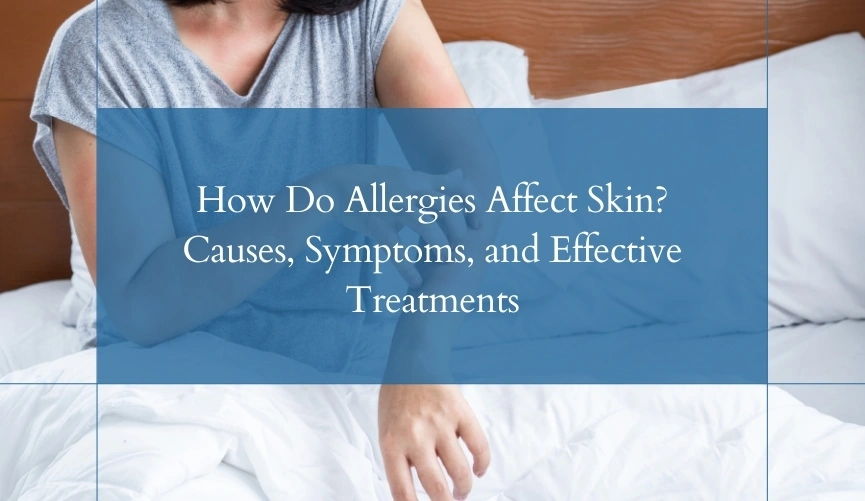
Seasonal allergies are commonly associated with sneezing, watery eyes, and nasal congestion. However, many people are surprised to learn that allergies can also significantly affect the skin. From persistent itching and redness to flare-ups of existing skin conditions, allergic reactions often manifest beyond the respiratory system.
For some individuals, skin symptoms may even be the first or most troubling sign of an allergy.
Understanding how allergies interact with the skin is essential for proper management and prevention.
How Do Allergies Affect Skin?
Allergies occur when the immune system mistakenly identifies a harmless substance, such as pollen or mold, as a threat. In response, the body releases chemicals like histamine to defend itself. While histamine helps protect against perceived invaders, it also causes inflammation, swelling, redness, and itching.
The skin is one of the body’s largest immune organs, making it particularly vulnerable to allergic reactions. When allergens enter the body through inhalation or skin contact, immune cells in the skin may become activated. This can disrupt the skin barrier, increase sensitivity, and trigger uncomfortable symptoms.
In some cases, the reaction is localized, such as hives or rashes. In others, the effects are systemic, leading to generalized itching without a visible rash. People with sensitive skin or pre-existing skin conditions often experience more pronounced reactions during allergy seasons.
What Causes Skin to React to Seasonal Allergens?
Seasonal allergens affect the skin through several interconnected mechanisms:
- Immune System Overreaction
The immune system releases histamine and other inflammatory substances in response to allergens. These chemicals stimulate nerve endings in the skin, creating the sensation of itching.
- Histamine and Inflammation
Histamine increases blood vessel permeability, allowing fluids to leak into surrounding tissues. This results in redness, swelling, and irritation of the skin.
- Weakened Skin Barrier
Allergic inflammation can compromise the skin’s protective barrier, leading to moisture loss and increased vulnerability to irritants.
- Genetic and Environmental Factors
Individuals with a family history of allergies, asthma, or eczema are more prone to skin reactions. Environmental stressors such as pollution and dry air further worsen skin sensitivity.
How Do Common Seasonal Allergy Triggers Cause Itchy Skin?
Seasonal allergens are often airborne, meaning they can settle directly on exposed skin or be inhaled and trigger systemic reactions.
Common triggers include:
- Pollen from trees, grass, and weeds
- Mold spores, especially in damp or humid environments
- Dust mites stirred up during seasonal cleaning
- Air pollution that increases skin inflammation
- Temperature and humidity changes that dry out the skin
When these allergens interact with the body, they activate immune responses that lead to itching, redness, and irritation even in areas not directly exposed.
Symptoms of Seasonal Allergies on the Skin
Skin symptoms of seasonal allergies vary in severity and presentation. Common signs include:
- Persistent itching (localized or widespread)
- Redness and inflammation
- Dry, flaky, or rough skin patches
- Hives or raised welts
- Eczema flare-ups
- Swelling around the eyes, lips, or face
- Increased skin sensitivity or burning sensations
These symptoms may worsen during peak allergy seasons and improve when allergen exposure is reduced.
Can Seasonal Allergies Cause Itchy Skin?
Yes, seasonal allergies can absolutely cause itchy skin. Histamine released during an allergic reaction stimulates nerve endings responsible for itch sensations. This can happen even when there is no visible rash, making the cause difficult to identify.
Unlike itching caused by dryness, allergic itching is often persistent and may worsen at night or after outdoor exposure. Scratching can further damage the skin barrier, leading to a cycle of irritation and inflammation.
Can Seasonal Allergies Make You Itch All Over?
Seasonal allergies can cause generalized itching across the entire body. This occurs when histamines circulate through the bloodstream rather than remaining localized. Full-body itching is more likely during high pollen counts or in individuals with heightened immune sensitivity.
Although widespread itching is usually harmless, severe or persistent symptoms should not be ignored. Intense itching without a rash may indicate an underlying allergic condition or another medical issue requiring professional evaluation.
Diagnosis of Seasonal Allergies
Accurate diagnosis is essential for effective treatment. Healthcare providers use several methods to identify seasonal allergies:
- Medical history and symptom review
- Physical examination of the skin and nasal passages
- Skin prick tests to identify specific allergens
- Blood tests measuring IgE antibodies
- Patch testing if contact allergies are suspected
Tracking symptoms alongside seasonal changes can also help pinpoint triggers.
Dermatologist-Approved Remedies for Allergy-Related Skin Irritations
Dermatologists recommend gentle, supportive care to calm allergic skin reactions:
- Use fragrance-free, mild cleansers
- Apply ceramide-rich moisturizers daily
- Take colloidal oatmeal baths to soothe itching
- Use cold compresses to reduce inflammation
- Choose anti-itch creams containing menthol or pramoxine
- Avoid harsh exfoliants and alcohol-based products
Consistency in skincare routines is key to maintaining a strong skin barrier during allergy seasons.
How Do You Treat Itchy Skin from Allergies?
- Identify and avoid allergens : Find the trigger causing the reaction and reduce or eliminate exposure to prevent itching.
- Soothe inflammation with topical treatments : Use calming, fragrance-free creams or prescribed ointments to reduce redness and irritation.
- Hydrate the skin to repair the barrier: Apply moisturizers regularly to restore the skin barrier and reduce sensitivity.
- Use medications as directed : Take antihistamines or other treatments as prescribed to control itching and allergic responses.
- Consult a specialist if symptoms persist: See a dermatologist or allergist for proper diagnosis and long-term treatment if itching continues.
Preventing Allergy-Associated Skin Problems
Preventing allergy-associated skin problems starts with reducing your exposure to triggers. After spending time outdoors, showering promptly helps wash away pollen and other allergens that may cling to your skin and hair.
Washing clothes and bedding frequently further minimizes the transfer of allergens that can irritate sensitive skin. Using air purifiers indoors can also help filter out airborne particles, creating a cleaner environment that supports healthier skin.
Daily skin care habits are equally important in prevention. Maintaining balanced indoor humidity prevents the skin from becoming too dry or overly moist, both of which can worsen irritation. Regularly moisturizing the skin, especially right after bathing, helps strengthen the skin barrier and reduce sensitivity.
Treatment of Seasonal Allergies
Identify and Avoid Triggers : Recognize specific allergens like pollen and minimize exposure.
- Use Antihistamines:Oral or nasal antihistamines can reduce sneezing, itching, and a runny nose.
- Apply Nasal Corticosteroids: Helps decrease inflammation and congestion in the nasal passages.
- Soothing Skin Treatments : Use calamine lotion or anti-itch creams for allergy-related skin irritation.
- Stay Hydrated :Drinking plenty of water helps thin mucus and maintain skin hydration.
- Consider Immunotherapy: Allergy shots or sublingual tablets for long-term relief in severe cases.
- Consult a Specialist :Seek guidance from a doctor if symptoms persist or worsen.
When to See a Doctor or Dermatologist
It’s important to consult a doctor or dermatologist if you notice persistent itching that doesn’t improve, severe swelling, or widespread hives. Signs of a skin infection or symptoms that disrupt sleep and daily activities are also reasons to seek professional care.
Early medical intervention can prevent complications and help manage symptoms more effectively, improving your overall quality of life.
Conclusion
Seasonal allergies can affect far more than just the respiratory system; they often take a toll on the skin as well. By understanding how allergens trigger skin reactions, recognizing symptoms early, and following effective treatment and prevention strategies, you can keep your skin healthy and comfortable year-round.
With the right combination of skincare, lifestyle adjustments, and timely allergic reaction treatment, managing allergy-related skin problems becomes far more manageable. Proactive care and professional guidance ensure that allergy season doesn’t have to mean ongoing skin discomfort.